

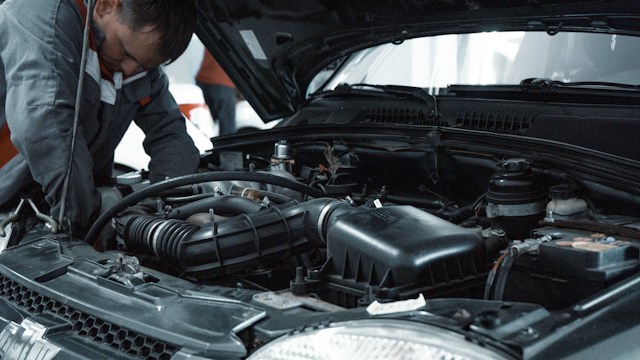
An older car can stay dependable for hundreds of thousands of miles when its owner follows a sensible maintenance routine. Age alone doesn’t determine reliability. Service history, driving conditions and quick responses to small problems often matter more. A few repeatable habits can reduce repair costs, improve fuel economy and help your car feel much newer than its odometer suggests.
The Math Behind Keeping Your Current Ride
Replacing a paid-off car can add a sizable monthly payment plus higher registration, insurance and financing costs. Compare that total with what your current vehicle actually requires over a full year. A $1,200 repair may sound alarming, but it equals $100 per month when spread across 12 months. That can still be far less than the total cost of replacing the vehicle.
Track maintenance and repairs in a notebook or app so you’re working with real numbers. If recurring breakdowns affect your ability to commute or the vehicle has serious structural corrosion, replacement may be sensible. For a generally reliable car, timely auto repair can extend its useful life while protecting the money you’ve already invested in it.
Critical Fluids That Protect the Engine
Engine oil carries heat away from moving parts while reducing friction and collecting contaminants. Check the level monthly on level ground, following the procedure in your owner’s manual. A low reading, burnt smell or gritty texture deserves attention. Follow the manufacturer’s oil specification and service interval instead of relying on a universal mileage rule.
Coolant, transmission fluid, brake fluid and power steering fluid also need periodic checks. The federal government’s vehicle maintenance guidance recommends following the service schedule provided by the manufacturer. Look beneath your usual parking spot for fresh stains and note their color. A sudden drop in any fluid level can point to a leak that should be diagnosed before heat or poor lubrication damages an expensive component.
Partnering with a Reliable Local Mechanic
Find a mechanic before a dashboard warning or breakdown creates pressure to accept the fastest available option. A good shop should explain what it found, separate urgent work from future maintenance and provide a written estimate. Ask which services are due now and which can safely wait until the next visit. Understanding the benefits of choosing professional car service over DIY maintenance can also help you make informed decisions about your vehicle’s care.
Consistency also improves diagnosis. A mechanic who has records from several years can spot increasing oil consumption, uneven tire wear or a battery that repeatedly tests weak. Keep copies of invoices even when the shop stores digital records. The Car Care Council maintenance schedule offers a useful reference, but your owner’s manual remains the best source for model-specific intervals. Schedule a general inspection before a long trip or after purchasing a used vehicle with incomplete records.
Small Symptoms That Signal Big Trouble
Cars often give early warnings before a major failure. A new vibration at highway speed could come from tire balance, wheel damage or worn suspension parts. Slow starting may indicate a weak battery, corroded connection or charging problem. Sweet odors, rising temperature readings and visible steam can signal a cooling-system issue that requires immediate attention.
Pay attention to changes in sound, smell and handling. Note when a symptom appears, such as during cold starts, braking or sharp turns. That detail helps a technician reproduce the problem and can shorten diagnostic time. Never ignore a flashing dashboard warning, sudden loss of power or rapidly climbing temperature gauge. Pull over safely and arrange professional help.
Older cars respond well to steady attention. Set a monthly reminder to check fluid levels, tire pressure and exterior lights, then keep the service records with the owner’s manual. Those ten minutes can reveal the small leak, soft tire or dim bulb that would otherwise become next month’s expensive surprise.