

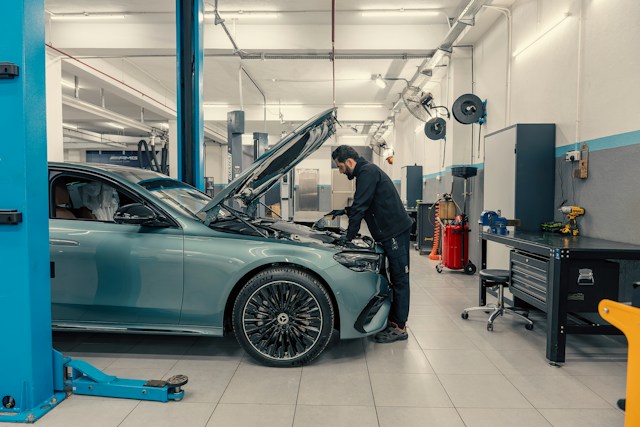
A 200,000-mile vehicle is usually the product of consistent maintenance, quick responses to warning signs and sensible driving habits. Modern engines can cover that distance, but neglected fluids, worn components and small unresolved problems can shorten a vehicle’s useful life. A written maintenance record and regular inspections help you spot patterns before an inconvenient breakdown or expensive repair occurs.
Stick to Manufacturer Service Schedules
Start with the manufacturer’s maintenance schedule, which you can find in the owner’s manual or the automaker’s online owner portal. It lists mileage or time intervals for oil, coolant, filters, transmission fluid and other service items. Follow the time interval if you drive fewer miles than average because fluids and rubber components still deteriorate while a vehicle sits. Learn more on nhtsa.gov.
Driving conditions may justify more frequent service. Repeated short trips, heavy traffic, extreme temperatures and dusty roads place extra stress on fluids and filters. Record every service with the date, mileage and work performed. These records help a mechanic identify overdue items and prevent unnecessary repeat work. They can also show a future buyer that the vehicle received steady care.
Pay Attention to Early Brake Warning Signs
Respond quickly when braking begins to feel or sound different. Squealing may indicate worn pads, while grinding can signal metal-on-metal contact that damages more expensive components. A vibrating pedal, pulling to one side or a soft pedal also deserves prompt attention. Learning how diagnostic technology helps identify vehicle problems can also help you understand how technicians investigate potential faults before recommending repairs. Visit brand.education for more.
Don’t wait for a dashboard warning light if the vehicle’s behavior has changed. Drivers in Washington, DC who need an inspection can use tenleytownautomotive.com to find maintenance and repair services for all makes and models, including brake repair. Early diagnosis may limit the work to routine wear items instead of allowing damage to spread.
You can also protect the braking system through smoother driving. Leave enough following distance to slow gradually, avoid carrying unnecessary weight and have the brake fluid checked at the interval listed for your vehicle.
Partnering with an Experienced Mechanic
Choose a mechanic before an urgent repair leaves you searching under pressure. Ask whether the shop works regularly on your make and model, provides written estimates and explains which repairs need immediate attention. A useful estimate should identify the problem, recommended parts, labor charges and applicable warranties.
Consistency has real value. When the same shop sees your vehicle over several years, its technicians can compare tire wear, fluid condition and recurring diagnostic codes across visits. That history makes it easier to distinguish a developing fault from a one-time irregularity.
Bring clear notes to each appointment. Record when a noise occurs, the vehicle’s speed, whether the engine is cold or warm and any dashboard messages. Specific observations often reduce diagnostic time. Keep copies of invoices in one folder so you can confirm what was replaced and when.
Protect Your Suspension and Alignment
Slow down for potholes, raised pavement and rough railroad crossings. A hard impact can bend a wheel, damage a tire or disturb alignment angles. Misalignment often appears as an off-center steering wheel, pulling on a level road or uneven tire wear along one edge.
Check tire pressure at least once a month when the tires are cold. Use the pressure shown on the label inside the driver’s door, since the number printed on the tire sidewall serves a different purpose. Rotate the tires according to the owner’s manual and inspect the tread for cupping or feathering, which may point to worn suspension parts.
Avoid ignoring small steering changes. Loose handling, clunking over bumps and excess bouncing can indicate worn shocks, struts, bushings or joints. Repairing those parts promptly protects tire life and helps the vehicle remain predictable during turns and stops.
Longevity comes from treating unusual sounds, leaks and handling changes as useful information. Check the odometer against your service records this month, then schedule any overdue fluid service or inspection before another season of driving adds more wear.