

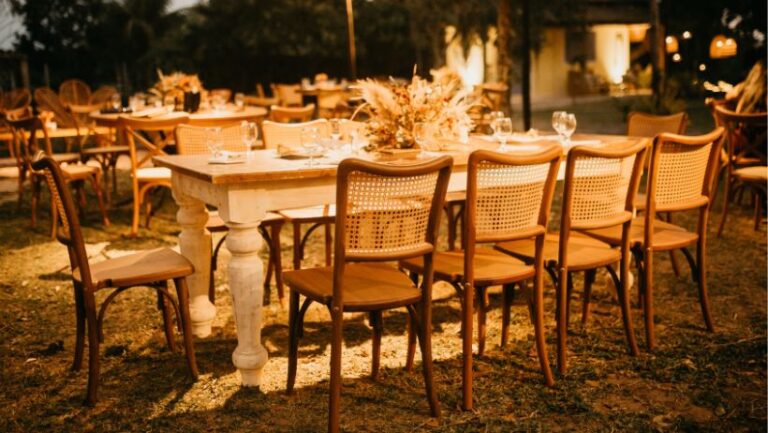
A relaxed dinner party depends more on smart decisions than an elaborate menu. When you choose a few memorable details, prepare food on a realistic schedule and make guests feel comfortable from the start, the evening becomes easier for everyone, including you.
The best hosts also give themselves room to enjoy the meal. These practical ideas will help you create an elevated at-home dinner party without spending the entire night checking timers, washing pans or rushing between rooms.
Set the Mood Early
Decide how you want the evening to feel before choosing decorations or planning the menu. A cozy meal for six might call for warm lamps, unscented candles and a playlist that supports conversation. A daytime gathering may need little more than fresh flowers, natural light and a neatly set table.
Start preparing shared spaces a day ahead. Clear mail and everyday clutter from the dining area, wipe down the bathroom guests will use and decide where coats and bags will go. Setting out glasses, serving dishes and table linens the night before removes several small tasks from the final hour. These stress-free hosting tips also recommend getting as much done in advance as possible so you’re present when company arrives.
Keep the table comfortable and functional. Guests need enough space for plates, glasses and serving dishes, so avoid oversized centerpieces. A cluster of three short candles or a small vase creates visual interest without blocking anyone’s view.
About 30 minutes before guests arrive, turn on the music, adjust the lighting and put away visible cleaning supplies. That buffer gives you time to change clothes, check the food and greet people without appearing rushed.
Plan Around High-Impact Ingredients
Build the menu around one ingredient or dish that feels distinctive, then keep the supporting courses simple. This approach focuses your time and budget where guests will notice them most. A striking seafood starter, slow-cooked main course or seasonal dessert can carry the meal without requiring every plate to be complicated.
For example, fresh mussels can become an impressive shared first course when steamed and served in a wide bowl with toasted bread. Guests can help themselves at the table, which creates a social start to the meal. Since shellfish requires careful handling, review the FDA’s fresh seafood guidance before planning your preparation and storage timeline.
Balance that centerpiece with dishes you already cook confidently. If the opening course takes your attention at the stove, choose a main dish that can rest or stay warm for 15 to 20 minutes. Add a salad dressed just before serving and a dessert made earlier in the day. A baked fruit crisp, chilled pudding or bakery cake needs no last-minute assembly.
Ask guests about allergies and dietary needs when you send the invitation. You’ll have time to adjust the menu without inventing a separate meal at the last minute. Labeling a sauce or side dish as dairy-free, vegetarian or gluten-free can also save guests from having to ask at the table.
Limit the number of new recipes you attempt. One unfamiliar dish provides some creative energy while familiar sides give you dependable timing. Write down the cooking temperature, active preparation time and serving dish for each item so hidden conflicts become clear before the event.
Master the Flow of Service
A smooth dinner party has a simple rhythm. Guests arrive, settle in with something to sip, enjoy a small bite and move to the table without waiting through a long stretch of kitchen activity. You don’t need a formal schedule, but a rough timeline keeps the meal moving.
Work backward from the time you want to serve the main course. If dinner is planned for 7:30 p.m., note when each dish must enter the oven, come off the heat or be dressed. Include resting time for cooked foods and allow an extra 10 minutes for small delays. The USDA’s food safety basics provide practical direction on cooking, holding and storing food safely.
Choose a serving style that fits your space. Plated courses look polished, but they require open counter space and close timing. Family-style service is often easier because guests can choose their portions and pass dishes around the table. A buffet can work well for a larger group if there’s a clear place to set plates and enough room for people to move.
Set out a modest arrival snack that won’t spoil appetites. A small bowl of seasoned nuts, olives or crisp vegetables is enough. Keep it away from the kitchen work zone so guests don’t gather beside a hot stove or block access to the refrigerator.
Tell people what’s happening as the evening progresses. A casual “We’ll sit down in about ten minutes” gives everyone a chance to finish a conversation or visit the restroom. Once seated, pause between courses long enough for conversation, but clear empty plates before the table begins to feel crowded.
Keep Cleanup Manageable
Plan cleanup at the same time you plan the meal. Start with an empty dishwasher, an empty sink and a lined trash can. If either is already full when guests arrive, every used plate creates another decision during the evening.
Reduce the number of cooking vessels where it makes sense. Roast vegetables on a parchment-lined sheet pan, mix salad dressing in the serving bowl and use oven-to-table cookware for casseroles. Measure ingredients into small bowls only when the recipe truly depends on fast timing. Otherwise, measuring directly during preparation saves several dishes.
Create a discreet landing area for used plates. A tray on a sideboard keeps the dining table clear and stops guests from stacking fragile dishes near the sink. If someone offers to help, give them a defined task such as collecting glasses, packing leftovers or loading the dishwasher. Clear requests are easier to accept than a general invitation to take over the kitchen.
Don’t wash every pan between courses. Soak cookware that needs attention, load what you can and return to the table. The meal matters more than having spotless counters while dessert is served.
Handle leftovers within two hours and use shallow containers so food cools more quickly. Label anything you won’t recognize easily the next day. You can also keep a few inexpensive reusable containers ready if you’d like to send portions home with guests.
When the evening ends, finish the tasks that affect food safety and leave the rest for morning. A dishwasher cycle, stored leftovers and wiped counters are enough. The candles, serving pieces and table linens can wait until after breakfast.
A memorable dinner party may come down to one shared bowl at the center of the table, a playlist that lasts through dessert and a host who stays seated long enough to hear the end of the story. Give those moments space, even if a roasting pan is still soaking in the kitchen.