

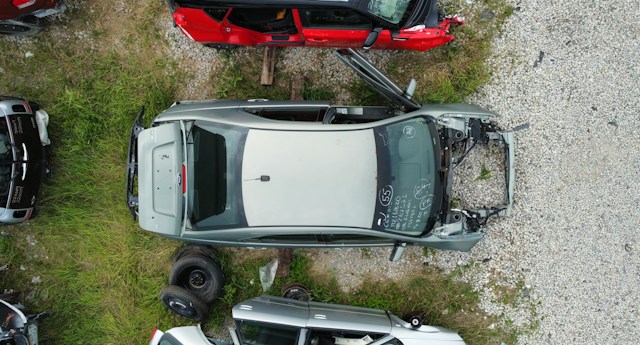
An old vehicle contains steel, aluminum, copper, glass, rubber and plastics that can return to productive use. The auto recycling industry connects vehicle owners, dismantlers, parts resellers and metal processors so these resources don’t remain parked in driveways or buried in disposal sites. This system also limits demand for virgin material extraction, which can require substantial energy and disturb land and water resources.
Understanding that process helps vehicle owners see why an aging car still has value after it stops providing dependable transportation.
The Circular Path of Automotive Scrap
Vehicle recycling usually begins when an owner transfers an unwanted car to a licensed removal service, salvage facility or dismantler. The receiving facility records the vehicle, checks its condition and identifies parts that may still be useful. Fluids and other regulated materials are removed before dismantling begins.
Reusable components enter resale channels, while the remaining body moves to processing equipment that separates ferrous metals, nonferrous metals and other materials. Steel can become construction products or new vehicle parts. Aluminum may return as sheet metal or cast components. This circulation preserves the usefulness of materials that took considerable energy and labor to produce. For vehicle owners, selling a broken car as scrap or salvage offers a practical way to put unwanted vehicles into the recycling process.
Incentives That Drive Material Recovery
Economic value keeps the recycling system moving. Steel, aluminum and copper have established commodity markets, so processors can sell sorted material to mills and manufacturers. Working components also create value because repairing an existing part may require fewer resources than producing a replacement from raw material.
Vehicle owners benefit when removal services can collect an unwanted car without adding another major expense. For example, a Battle Creek resident with a damaged car may consider a service offering junk cars for cash, free towing and title assistance. Before arranging pickup, owners should confirm payment terms, ask what paperwork is needed and remove personal property from every storage area.
Safely Extracting Usable Components
Careful dismantling protects workers and prevents materials from contaminating one another. Trained technicians first drain fuel, oil, coolant and other automotive fluids into labeled containers. Facilities can then reuse, recycle or dispose of each substance under applicable rules. Batteries, tires and electronic modules also need separate handling.
After this preparation, technicians inspect items such as alternators, starters, mirrors, wheels and interior controls. A usable component may be cleaned, tested and cataloged for resale. Owners can support this process by providing accurate details about collision damage, missing parts and mechanical problems. Clear information helps the receiving facility plan suitable equipment, staff time and transportation before the vehicle arrives.
Reducing the Need for Virgin Mining
Recycled metal gives manufacturers a feedstock that already exists above ground. Producing new steel or aluminum from recovered material often avoids several early production steps, including ore removal and initial processing. That can lower energy use while reducing the volume of material sent to disposal facilities.
Quality sorting makes these gains possible. A mixed load containing plastic, glass and several metals has less value than clean streams prepared to a buyer’s specifications. Modern processors use magnets, sensors and other separation systems to improve recovery.
For vehicle owners, the practical step is simple: use an established removal or recycling provider and request a transfer receipt. That final record confirms the old vehicle has entered a managed recovery system where its metal can begin another useful cycle.